


October 8, 2024 3-5PM ET
Tuesday on The Robert Scott Bell Show:

 ‘Remdesivir Papers’ Allege Controversial Drug Used to Treat Service Members Led to 601 Deaths A whistleblower has released documents, dubbed “The Remdesivir Papers,” revealing that remdesivir, a controversial antiviral drug used to treat COVID-19, was linked to the deaths of 601 military service members. According to the whistleblower, who uses the pseudonym Daniel LeMay, the military began administering remdesivir to service members months before the drug received full FDA approval, often without proper informed consent. LeMay alleged that several clinical trials involving remdesivir were manipulated, with placebo groups either improperly used or absent, calling into question the drug’s true effectiveness. The whistleblower’s data shows that 63.9% of the 941 military deaths between March 2020 and March 2024 involved remdesivir treatment, with deaths peaking between November 2020 and July 2021. Critics argue that the drug, developed initially for treating Ebola, has a lethal track record, with high mortality rates seen in prior studies. The whistleblower’s revelations raise concerns about the government’s treatment protocols during the pandemic, which many believe prioritized remdesivir despite its known dangers, contributing to the unnecessary deaths of patients. Advocates are calling for congressional investigations to hold officials accountable and reveal the full extent of the drug’s impact.
Special Guest – Dr. Naomi Wolf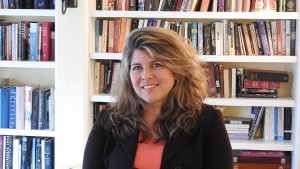
One of the world’s most influential feminists, Dr. Naomi Wolf doesn’t just comment on the world’s most pervasive problems, she aims to solve them. Dr. Wolf is a bestselling author, columnist and professor. She is a graduate of Yale University and received a doctorate from Oxford. She is co-founder and CEO of DailyClout.io, a successful civic tech company. A charismatic personality with a passion for activism, Dr. Wolf has long challenged conventional narratives on gender, foreign policy, economics, and journalism. In her speeches and seminars, she exposes the threats to liberty and democracy, providing audiences with the tools to fight back against powerful institutional forces. Wolf has written eight bestselling works of nonfiction, including The Beauty Myth, Give Me Liberty and The End of America.
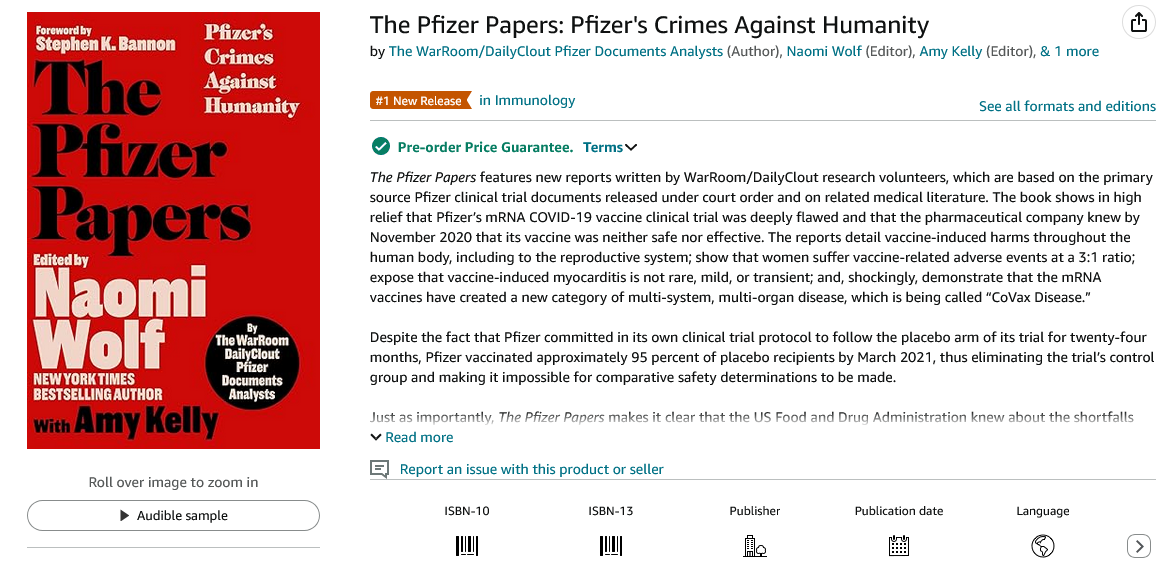
 The Thing I Feared Most to Write, Part Two Naomi Wolf shares a deeply personal account of a spiritual experience that shifted her understanding of faith, humanity, and her life’s purpose. During a hypnotherapy session years ago, Wolf recounts feeling the presence of Jesus, an encounter that surprised her as someone of Jewish faith. This profound spiritual experience left her filled with feelings of love, compassion, and clarity, challenging her previous beliefs about religion and spirituality. Wolf reflects on how this experience revealed deep truths about human morality, love, and the importance of living in alignment with a higher purpose. She feels a pressing need to share this encounter in the context of current global challenges, believing that humanity is at a critical juncture where individual moral decisions have far-reaching consequences. Despite her fears of being judged or misunderstood, Wolf emphasizes the importance of courage, faith, and personal responsibility in the face of adversity. She calls on others to recognize the spiritual dimensions of the current crises, stressing that choices made today will shape the future and the moral direction of society.

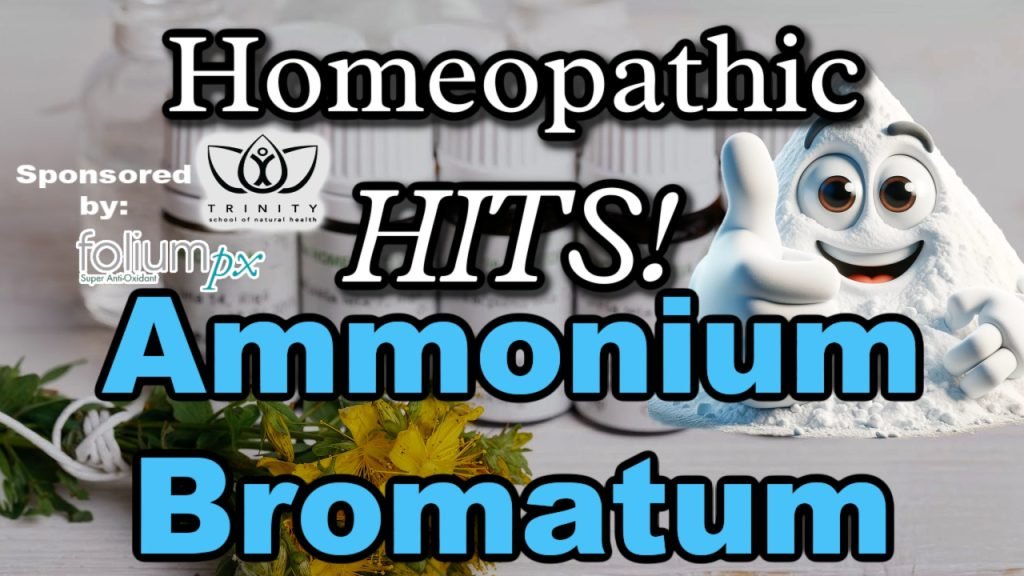
Welcome to another episode of “Homeopathic Hits” on The Robert Scott Bell Show.
Today, we’re highlighting Ammonium Bromatum, a homeopathic remedy known for its effectiveness in treating respiratory issues, asthma, and certain skin conditions.
Ammonium Bromatum offers a natural way to manage breathing difficulties and soothe skin irritations.
Download the Information Sheet
Hour 2
 What’s driving the rise in ADHD diagnoses among children and adults? ADHD is the most commonly diagnosed behavioral disorder in children, and diagnoses are increasing across both children and adults. In2022, over 7 million U.S. children were diagnosed with ADHD, up by 1 million since 2016, with 8.7 million U.S. adults also affected. The rise is partly attributed to the COVID-19 pandemic, which heightened mental health concerns like stress, anxiety, and depression. Remote learning provided parents more opportunities to observe potential ADHD symptoms in children. Increased awareness of ADHD, particularly in girls, has also contributed to more diagnoses. The core symptoms of ADHD— inattention, hyperactivity, and impulsivity—must impact a child’s functioning across different settings for an official diagnosis. Untreated ADHD can lead to academic, social, and emotional difficulties, making early diagnosis crucial. In adults, the growing recognition that ADHD extends into adulthood, combined with increased awareness and the fast pace of modern life, has led to higher diagnosis rates. While the rise in diagnoses may reflect improved access to care and reduced stigma, experts also warn of possible overdiagnosis due to the medicalization of common life challenges like distractibility and stress.
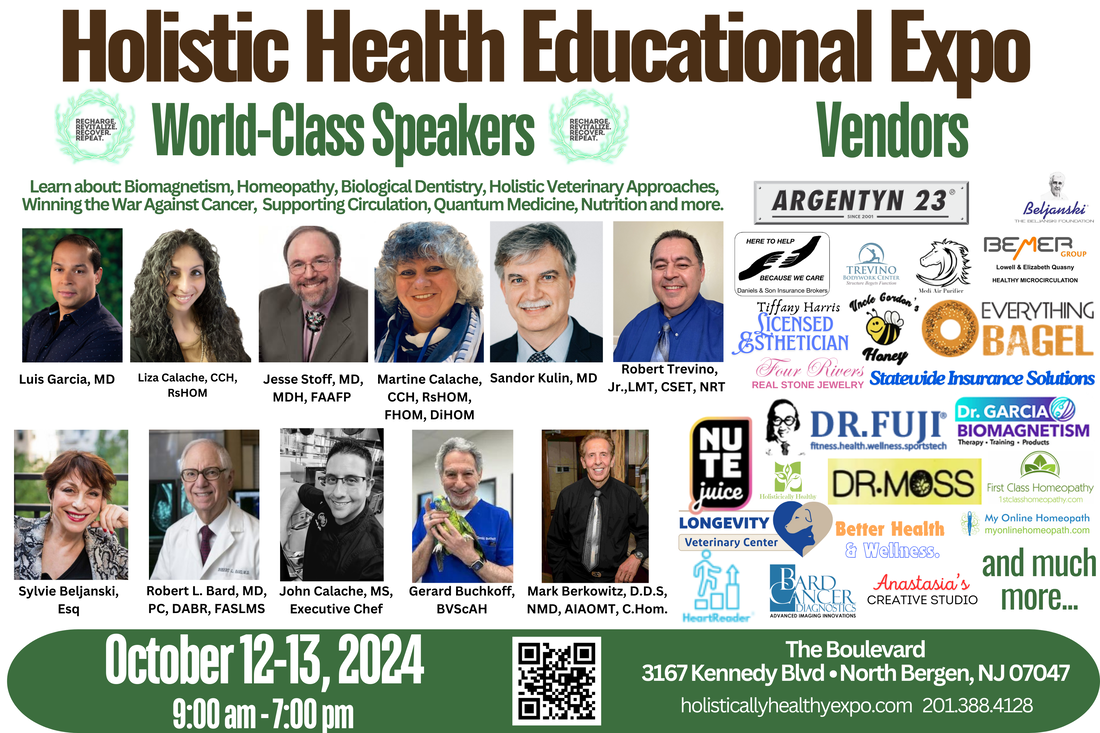
 Special Guest Liza Calache
Medicine has always been a part of Liza’s life. Her father being a Physician and her mother being a classical homeopath has set the stage for Liza’s future in medicine. She has experienced first hand the two sides of medicine: Conventional and Alternative. Liza understands that while both forms of medicine need to be respected and have their place, she chose Alternative Medicine as her passion to follow. Liza is a 3rd generation Board Certified Homeopathic Practitioner with formal education beginning at just 12 years old. Sitting among medical professionals, Liza took advantage of every learning opportunity presented to her. While studying under world-renowned homeopath and professor, Luc De Schepper, MD, at The New School of Homeopathy and The Renaissance Institute of Classical Homeopathy, Liza acquired a vast amount of knowledge that would set the stage for further homeopathic prospects. Upon completion of her formal education, which lasted 15 years, she began teaching and practicing alongside her mother, Martine Calache, CCH, DiHOM, RsHOM, FHom. Liza holds a Bachelor of Science in Chemistry and is certified by the state of New Jersey as a secondary education teacher. She applied her knowledge of chemistry, homeopathy and education together and was able to write her own chemistry text book for students. During her time as a high school teacher, she was nominated for Teacher of the Year for her unique ability to work with disadvantaged students with learning disabilities and transform how they learn. Liza has set up her homeopathic practice in Union City, NJ. Liza is all about keep up with advancements in her field. Under the realm of Quantum Medicine, Liza has added Biofeedback testing as another modality to help people achieve their health goals optimally.
 Tips for Avoiding Fake Organic Labels — and Buying ‘Real’ Organic In an interview with Mark Kastel, an organic industry watchdog, the challenges of maintaining organic label integrity in a rapidly growing industry are discussed. Local, direct-from-farmer organics—such as those found at farmers’ markets and community-supported agriculture programs—are typically more reliable than large-scale commercial organic products sold in supermarkets. One major issue is the fraud associated with imported organic products, often due to regulatory loopholes like “group certification,” which allows large agribusinesses to bypass rigorous inspection standards. This has led to concerns about the quality of products like organic hazelnuts from Turkey, which enter the U.S. market at prices close to conventionally grown varieties without proper certification. Kastel emphasizes the importance of supporting local organic farmers and avoiding misleading claims made by large corporations that control many organic brands. He also highlights nutritional considerations that go beyond organic certification, stressing the need for pasture-raised, grass-fed animal products, which offer more health benefits than grain-fed options. Consumers can take steps to ensure authenticity by buying local, using trusted online resources, checking certifier names, and choosing products labeled 100% grass-fed and finished.
 Study links teen marijuana use to poor academic performance A comprehensive analysis of data from 63 studies involving nearly 440,000 teens reveals a significant link between adolescent marijuana use andpoor academic outcomes. Led by researchers at McMaster University in Canada, the study found that marijuana use during adolescence is associated with lower grades, reduced likelihood of high school graduation, and a greater chance of dropping out of school. Specifically, teens who used marijuana had 50% less chance of completing high school and 31% lower odds of obtaining a college degree. The study also found that chronic cannabis use could lead to long-term changes in brain development, affecting memory, attention, and cognitive abilities into adulthood. The potency of marijuana has increased dramatically in recent decades, exacerbating its impact on adolescent brain development. Although the study acknowledged that external factors like mental health issues might contribute to both marijuana use and academic challenges, researchers emphasized the need for preventative interventions to reduce early exposure to cannabis. The findings come as marijuana use among youth continues to rise in the U.S. and other countries where cannabis has been decriminalized.
Remember Friends, The Power to Heal is Yours!
