


June 10, 2026 3-5pm ET
Wednesday on The Robert Scott Bell Show:


Hour 1

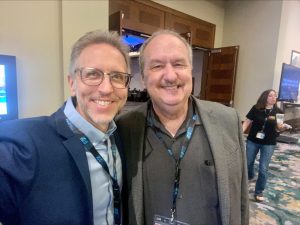 Special Guest: Brian Hooker
Brian S. Hooker, PhD, PE, is an Associate Professor of Biology at Simpson University in Redding, California, where he specializes in chemistry and biology coursework. Additionally, Hooker is the Senior Process Consultant at ARES Corporation, working closely on process design for the environment restoration industry. His design efforts focus on industrial biotechnology and chemical engineering principles.
Brian dedicated over 15 years as a bioengineer and the team leader for the High Throughput Biology Team and Operations Manager of the DOE Genomics: Genomes to Life (GTL) Center for Molecular and Cellular Systems at the Pacific Northwest National Laboratory (PNNL). Dr. Hooker managed applied plant and fungal molecular biology research projects at the Pacific Northwest National Laboratory, where systems biology researchers are focused on understanding gene and protein networks involved in individual cell signaling, communication between cells in communities, and cellular metabolic pathways.
In 1985, Dr. Hooker earned his Bachelor of Science degree in chemical engineering, from California State Polytechnic University, Pomona, California. He earned his Masters of Science degree in 1988 and his doctorate in 1990, both in biochemical engineering, from Washington State University, in Pullman, Washington.
Brian Hooker has many accomplishments to his credit including: co-inventor for five patents, recipient of the Battelle Entrepreneurial Award in 2001, and a Federal Laboratory Consortium Recognition Award in 1999, for his work on “Reactive Transport in 3-Dimensions.” The breadth of Hooker’s 60 science and engineering papers have been published in internationally recognized, peer reviewed journals.
He has a teenage son with autism and has been active in the autism community since 2002.

CONCLUSION
The evidence synthesized in this manuscript establishes a compelling case that
mitochondrial dysfunction represents a biologically plausible and clinically relevant
pathway through which certain vaccine components may contribute to autism spectrum
disorder in genetically susceptible subgroups. Three independent lines of rigorous
research now converge:
1. Mitochondrial dysfunction is both prevalent and causally significant in autism,
affecting approximately 5% of individuals with classical mitochondrial disease and
30% or more with subclinical bioenergetic abnormalities that correlate with
greater symptom severity (Frye et al., 2024).
2. Multiple vaccine components—including aluminum adjuvants, lipid nanoparticles
used in mRNA platforms, thimerosal-derived ethylmercury, and certain live
attenuated viruses—have been shown in peer-reviewed experimental studies to
impair mitochondrial function, reduce spare respiratory capacity, increase ROS
production, and trigger related stress responses (Masson et al., 2023; Cho et al.,
2025; Sciolino et al., 2022; Sharpe et al., 2012; Geier et al., 2009).
3. Population-level vaccinated-versus-unvaccinated studies consistently report
elevated odds ratios for ASD (typically 2.5–4.0 or higher) in vaccinated cohorts.
When evaluated using the Bradford Hill (1965) criteria, this body of evidence satisfies key
requirements for causality—including biological plausibility, coherence, temporality, and
mechanistic support—particularly in children with pre-existing mitochondrial
vulnerabilities. The persistent failure of mainstream epidemiology to detect these effects
is not evidence of safety; it reflects critical methodological limitations: inadequate
measurement of mitochondrial intermediates, insufficient statistical power for susceptible
subgroups, and a systematic conflation of “no population-level association detected” with
“no causal effect exists.”
This epistemological error has profound consequences. It has delayed recognition of
vulnerable subgroups, undermined public trust, and left families of children with
mitochondrial risk factors without clear guidance. The precautionary principle and basic
medical ethics demand more than repeated null-result studies that cannot test the actual
hypothesis.
The scientific path forward is clear and urgent. We must move beyond the current
disconnected evidentiary domains and conduct prospective studies that simultaneously
measure:
● Precise vaccine component exposure (dose, timing, formulation),
● Longitudinal mitochondrial biomarkers (respirometry, oxidative stress,
metabolomics, UPRmt activity),
● Neurodevelopmental outcomes in adequately powered cohorts, including those
stratified by mitochondrial genetics and function.
Until such studies are completed, intellectual honesty requires acknowledging that the
vaccine-mitochondria-autism hypothesis in susceptible individuals remains a credible and
testable explanation for a portion of the observed rise in ASD prevalence. The current
absence of definitive proof does not constitute proof of absence. The research
community now faces a clear choice: continue repeating designs ill-suited to detect
subgroup effects, or finally construct the empirical architecture necessary to resolve this
question with the rigor it deserves.
The tools, frameworks, and biological knowledge exist. What is needed is the institutional
will to apply them

 Most Americans Are Desperate For Peace Of Mind, New Survey Finds A new survey reveals that the vast majority of Americans are actively seeking greater peace of mind amid rising stress, anxiety, and mental health challenges, with 78% reporting that finding inner calm has become a top priority in their daily lives and many turning to practices such as meditation, spending time in nature, prayer or faith-based activities, exercise, and limiting screen time to achieve it. The study, conducted by a leading wellness organization, found that 65% of respondents feel overwhelmed by constant news cycles, work pressures, financial concerns, and social media, leading to disrupted sleep, irritability, and difficulty focusing, while 82% believe that cultivating peace of mind would significantly improve their overall health and relationships. Younger adults reported the highest levels of stress, with many citing uncertainty about the future and economic pressures, whereas older respondents more frequently mentioned spiritual practices and gratitude exercises as reliable sources of calm. Experts noted that the findings reflect a broader cultural shift toward proactive mental wellness rather than reactive treatment, with simple, accessible habits like walking outdoors, deep breathing, and reducing caffeine and alcohol intake showing measurable benefits in reducing cortisol levels and improving mood. The survey also highlighted barriers such as lack of time and skepticism about effectiveness, but emphasized that even short daily practices can yield significant improvements in perceived well-being. Researchers recommend integrating peace-seeking habits into routines as a form of preventive self-care, suggesting that societal emphasis on productivity and constant connectivity has come at the expense of mental tranquility, and that reclaiming quiet, reflective time could help address the nation’s growing mental health crisis.
Hour 2
 Special Guest: John Hewlett
John Hewlett is the founder and formulator of Cardio Miracle. He created CARDIO MIRACLE in order to help the hearts of his fellow man. In fact, had it not been for his own personal experience with a nitric oxide boosting supplement, he may not have survived to share his story and later develop the finest nitric oxide supplement on the planet.
In 2007, Hewlett narrowly survived complications from an emergency appendectomy. The surgery and subsequent complications including internal bleeding from a nicked vein ultimately impacted his own genetic and emerging cardiovascular issues. While hospitalized in critical condition, the doctors recommended heart bypass surgery following multiple complications from the appendectomy, and he knew that it was time to search for natural alternatives.
This brush with death launched Hewlett on his quest to discover natural and effective ways of improving his cardiovascular and overall health. His pursuit eventually led him to a fascination with nitric oxide, and to leave his multi million dollar financial profession to advocate for nitric oxide during the past 16 years. In 2013, after several years of marketing and researching nitric oxide options, he determined that formulating his own product, with the latest science and organic and food based ingredients, was necessary to create the finest nitric oxide supplement in the world. Due to his own personal miracle, and because nitric oxide had been called the “miracle molecule” in leading medical and scientific periodicals, he decided to call his decade-plus masterpiece, CARDIO MIRACLE. Hewlett believed that the ingredients he had carefully researched and formulated would stimulate and express safe, sustained nitric oxide in the vasculature of the human body.
 Special Guest: Tom Renz
Renz believes in freedom and is fighting for our kids future. He’s not running for anything and doesn’t even charge for a lot of his work (we yell at him a lot for that). Tom simply wants to make sure there is a free and strong country for our kids to grow up in. He’s a fighter and at peace with it.
 Kennedy Announces Historic Shift in Federal Health Policy, Prioritizing Prevention Over Pharmaceuticals Health and Human Services Secretary Robert F. Kennedy Jr. announced a major policy shift at HHS, redirecting billions in federal funding away from chronic disease management through pharmaceuticals and toward prevention, nutrition, environmental toxin reduction, and root-cause research, marking what he described as the most significant reorientation of American health policy in decades. Kennedy stated that the agency will prioritize addressing the drivers of the chronic disease epidemic — including ultra-processed foods, pesticides, heavy metals, EMFs, and over-medicalization — while reforming regulatory processes at the FDA and CDC to emphasize transparency, safety, and individualized care rather than one-size-fits-all mandates. The announcement includes plans to overhaul the Advisory Committee on Immunization Practices, increase scrutiny of vaccine schedules and conflicts of interest, expand research into vaccine injuries, and integrate nutrition and lifestyle medicine into federal programs. Kennedy emphasized moving from a sick-care system focused on lifelong medication to one that builds genuine health through prevention, citing the failure of current approaches that have left half of American children with chronic conditions despite record healthcare spending. The shift aligns with the Make America Healthy Again agenda and has drawn praise from health freedom advocates for challenging pharmaceutical dominance, while critics argue it risks undermining established public health infrastructure. The policy changes are expected to influence school nutrition standards, food additive regulations, environmental protections, and medical education, with Kennedy calling on Congress and states to support the transition through legislation and funding realignment.
 FDA Tries to Redefine Supplements and Limit Your Access to Them The FDA is advancing regulatory changes that could severely restrict consumer access to dietary supplements by reclassifying many products or claims as unapproved drugs, imposing stricter manufacturing standards, and expanding enforcement actions against companies making structure/function claims, according to the Alliance for Natural Health USA, which warns that these moves would raise costs, drive smaller companies out of business, and favor large pharmaceutical interests at the expense of affordable natural health options used by millions of Americans. Under the Dietary Supplement Health and Education Act (DSHEA), supplements are regulated as foods and allowed to make claims about supporting normal body structure or function, but the FDA has increasingly interpreted certain statements or ingredients as implying disease treatment, triggering drug-level requirements that most supplement makers cannot meet. Recent warning letters, product seizures, and draft guidances have targeted immune support, detoxification, and chronic disease risk reduction claims, effectively chilling the market and forcing reformulations or removals of popular items. ANH-USA argues that while the agency cites safety concerns, the real impact would be reduced competition and innovation in non-patentable natural products that address root causes rather than symptoms, while the existing framework already provides sufficient oversight through good manufacturing practices and adverse event reporting. The organization is mobilizing public comments and congressional outreach to oppose the FDA’s direction and preserve DSHEA’s intent of ensuring broad access to safe supplements without pre-market drug approval. The broader concern is that redefining supplements could limit options for prevention and self-care at a time when chronic disease rates continue to climb, further entrenching a medical model dominated by patented pharmaceuticals. ANH-USA urges supporters to contact lawmakers and submit comments during open rulemaking periods to defend supplement access and prevent regulatory overreach that could make many common vitamins, herbs, and minerals harder or more expensive to obtain.
 Can Vaping Cause Cancer? The Evidence Suggests It Might. A research review and emerging laboratory and animal studies indicate that vaping may increase cancer risk through exposure to harmful substances in e-cigarette aerosols, including heavy metals, particulate matter, diacetyl, acrolein, benzene, and other chemicals, with cellular changes linked to DNA damage, inflammation, and tumor promotion observed in lung, liver, oral, bladder, and brain cells, even though long-term human data remain limited due to the relative novelty of e-cigarettes. Oncologist Mikkael Sekeres notes that while e-cigarettes were introduced as a less harmful nicotine-delivery alternative to traditional tobacco cigarettes, studies show they are not risk-free: users exhibit higher levels of cancer-associated inflammatory markers in saliva than non-smokers, and dual users of vaping and smoking face substantially elevated lung cancer risk compared to those who only smoke. Animal and cell-based experiments demonstrate that vaping aerosols can cause DNA damage and promote metastatic behavior in cancer cells, and a recent Australian review has shifted from calling for more research to expressing frank concern about e-cigarette carcinogenicity. Although definitive proof of vaping causing cancer in humans is not yet established — largely because widespread use is still relatively recent — the accumulating preclinical evidence, combined with known toxins in e-liquids, suggests potential harm that warrants caution, particularly for youth and non-smokers. Sekeres advises that while vaping may help some adults quit smoking, the safest approach is to avoid nicotine products altogether, discourage youth initiation, and pursue complete cessation rather than substitution, as long-term cancer risks may emerge with continued use.
 Trump Pressures FDA Commissioner to Approve Flavored Vapes President Trump personally pressured FDA Commissioner Marty Makary over the weekend and into Monday to approve flavored vaping products, including fruit flavors from Los Angeles manufacturer Glas, leading the agency to authorize those flavors on Tuesday despite Makary’s earlier concerns about their appeal to children and public health risks. In calls from Florida and discussions at the White House, Trump expressed frustration with the pace of approvals and sought advice from advisers who described Makary as a problem for the administration’s vaping agenda. The FDA’s announcement highlighted features in the Glas devices intended to prevent youth use, reversing a February memo in which Makary’s office said more time was needed to evaluate those safeguards. This development fulfills Trump’s 2024 campaign promise to “save vaping,” a reversal from his first term when the administration cracked down on flavored products amid a teen vaping surge. Makary has faced internal criticism and personnel challenges, including recent drug rejections and clashes over policy, and was previously considered for a figurehead role by HHS Secretary Robert F. Kennedy Jr. The White House defended the decision as guided by “Gold Standard Science” and aimed at correcting Biden-era policies, while anti-vaping and public health advocates expressed concern over potential increases in youth nicotine use. The episode highlights tensions between the administration’s pro-vaping stance and Makary’s caution on flavored products, amid ongoing debates over nicotine regulation and youth protection.
 Florida Rep. Luna Says Senate May Put Pesticide Liability Protections Back in Farm Bill Florida Republican Rep. Anna Paulina Luna stated that the Senate may reinsert pesticide liability protections into the Farm Bill, potentially shielding manufacturers like Bayer (Monsanto) from lawsuits over cancer claims related to glyphosate-based herbicides such as Roundup, as the House version removed the provision amid pressure from the Make America Healthy Again (MAHA) movement and ongoing Supreme Court arguments in cases challenging federal preemption of state failure-to-warn claims. The liability shield language, which would limit civil lawsuits by cancer patients and preempt state-level warnings, was stripped from the House Farm Bill but could be restored during Senate negotiations, according to Luna, who has supported agricultural interests while navigating tensions within the Republican Party over pesticide regulation and public health concerns. Environmental and health advocacy groups, including those aligned with MAHA, strongly oppose the protections, arguing they would deny justice to individuals harmed by glyphosate, which the International Agency for Research on Cancer classifies as a probable human carcinogen, while industry supporters contend that such measures are necessary to prevent frivolous litigation and ensure continued availability of essential agricultural tools. The development highlights ongoing battles over the Farm Bill, Supreme Court precedent on federal pesticide regulation, and the balance between farmer needs and calls for stricter oversight of chemicals linked to cancer and environmental harm.
Remember Friends, The Power to Heal is Yours!
