


Mar 31, 2026 3-5pm ET
Tuesday on The Robert Scott Bell Show:

Hour 1
 ‘Help Me’: Patients Say They Weren’t Warned About Widespread Risks of Antidepressants Patients prescribed selective serotonin reuptake inhibitors (SSRIs) and serotonin-norepinephrine reuptake inhibitors (SNRIs) report that doctors failed to warn them about severe side effects including emotional numbness, sexual dysfunction, agitation, akathisia, withdrawal symptoms, suicidality, and violent behavior, often leading prescribers to increase doses when issues arose instead of recognizing adverse reactions, resulting in profound personal harm. A New Zealand survey of 1,829 antidepressant users found 62% experienced sexual difficulties, 60% emotional numbness, 52% feeling unlike themselves, 47% agitation, and 39% reduced care for others, with prescribers rarely disclosing these risks. Patient accounts describe catastrophic outcomes: one individual developed suicidal ideation, self-harm, aggression, hostility, hallucinations, and functional impairment after a dose increase, leading to school dropout; another experienced intense crying and overwhelming head sensations; others reported extreme agitation, sensory hypersensitivity, incoherence, profuse sweating, fetal positioning, and desperate pleas of losing their mind before fatal outcomes in some cases. Experts note SSRIs’ stimulant-like properties, with an FDA 1985 Prozac review highlighting unreported psychotic episodes, anxiety, agitation, hostility, impulsivity, akathisia, hypomania, and mania. A Cochrane review indicated SSRIs double suicide risk, a 2000 study of 20 healthy volunteers showed 10% became suicidal on Zoloft, and early Eli Lilly animal studies demonstrated induced aggression. FDA received 39,000 Prozac-related complaints in its first nine years involving suicides, homicides, and mass shootings, with lawsuits revealing concealed risks. Withdrawal symptoms affect about half of users, with a meta-analysis showing 56% experience them and 46% severely, lasting weeks to months and including brain zaps, dizziness, anxiety surges, suicidal thoughts, and akathisia; a 1996 UK survey found 78% viewed SSRIs as addictive. Discontinuation rates are high, with 56% of 7,525 patients stopping within four months and 44% of 3,516 permanently due to side effects, while 81.5% of 500 questioned necessity. Sexual dysfunction impacts 59% on average, including decreased libido, delayed or absent orgasm, and erectile/lubrication issues, sometimes persistent post-discontinuation. Emotional blunting affects 40-60%, diminishing joy, drive, and emotional depth. In pregnancy, SSRIs link to doubled premature birth risk in the third trimester, increased septal defects, and 2.5-6.1 times higher persistent pulmonary hypertension. Broader concerns include industry concealment of risks during approval, high dropout rates in trials due to side effects and suicidality, and tripling of bipolar onset risk in large cohorts. The article argues overprescription driven by pharmaceutical marketing causes more societal harm than benefit, calling for transparent risk discussions, better informed consent, and exploration of non-pharmaceutical alternatives.
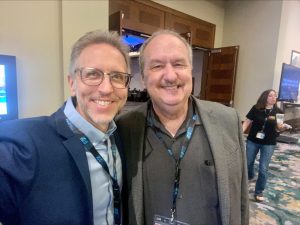 Special Guest: Brian Hooker
Brian S. Hooker, PhD, PE, is an Associate Professor of Biology at Simpson University in Redding, California, where he specializes in chemistry and biology coursework. Additionally, Hooker is the Senior Process Consultant at ARES Corporation, working closely on process design for the environment restoration industry. His design efforts focus on industrial biotechnology and chemical engineering principles.
Brian dedicated over 15 years as a bioengineer and the team leader for the High Throughput Biology Team and Operations Manager of the DOE Genomics: Genomes to Life (GTL) Center for Molecular and Cellular Systems at the Pacific Northwest National Laboratory (PNNL). Dr. Hooker managed applied plant and fungal molecular biology research projects at the Pacific Northwest National Laboratory, where systems biology researchers are focused on understanding gene and protein networks involved in individual cell signaling, communication between cells in communities, and cellular metabolic pathways.
In 1985, Dr. Hooker earned his Bachelor of Science degree in chemical engineering, from California State Polytechnic University, Pomona, California. He earned his Masters of Science degree in 1988 and his doctorate in 1990, both in biochemical engineering, from Washington State University, in Pullman, Washington.
Brian Hooker has many accomplishments to his credit including: co-inventor for five patents, recipient of the Battelle Entrepreneurial Award in 2001, and a Federal Laboratory Consortium Recognition Award in 1999, for his work on “Reactive Transport in 3-Dimensions.” The breadth of Hooker’s 60 science and engineering papers have been published in internationally recognized, peer reviewed journals.
He has a teenage son with autism and has been active in the autism community since 2002.
 Aluminum Adjuvants, Autoimmunity, and Autism Spectrum Disorder: A Comprehensive Mechanistic, Neuropathological, and Legal Analysis Aluminum adjuvants in childhood vaccines contribute to autism spectrum disorder (ASD) in genetically susceptible individuals through neuroinflammatory mechanisms, with the manuscript concluding that evidence satisfies all nine Bradford Hill criteria for causation based on a review of over 200 studies from 1965 to 2025 spanning immunology, neuropathology, epidemiology, genetics, and toxicology. ASD prevalence rose 80-fold from 2–4 per 10,000 in 1960 to 1:31 in children born in 2014, temporally correlating with the childhood vaccine schedule expansion from 3 to 28 doses by age 2 (Pearson r = 0.91, p = 0.0015), while aluminum adjuvants lack dedicated neurotoxicity testing and benefit from liability protection under the 1986 National Childhood Vaccine Injury Act. Mechanistically, aluminum activates the NLRP3 inflammasome, triggering IL-1β release, blood-brain barrier disruption, microglial activation, T-lymphocyte infiltration into the brain, astrocyte damage, and dysregulated complement-mediated synaptic pruning; postmortem neuropathology shows perivascular T-lymphocyte cuffs in 65% of ASD brains versus 5% in controls (13-fold increase), elevated CD8+/CD4+ ratios, granzyme B expression indicating cytotoxic attack, astrocyte abnormalities, microglial priming, altered complement components (C1q, C3, C4), elevated pro-inflammatory cytokines (IL-1β, IL-6, TNF-α, IFN-γ), and glutamate transporter dysfunction heightening excitotoxicity. Genetic susceptibility factors include HLA-DR4 alleles increasing ASD risk, MTHFR C677T and A1298C polymorphisms (prevalent in 40–60% of ASD cases) impairing glutathione-mediated detoxification, GST variants reducing aluminum clearance, and complement gene variants lowering synaptic pruning thresholds, rendering affected individuals vulnerable during critical developmental windows from 3 months to 3 years when aluminum-containing vaccines are administered. The analysis draws parallels to autoimmune/inflammatory syndrome induced by adjuvants (ASIA), animal models showing behavioral changes and neurotoxicity, and epidemiological correlations supporting strength, consistency, specificity, temporality, biological gradient, plausibility, coherence, experiment, and analogy under Bradford Hill. The authors assert these converging lines of evidence—mechanistic pathways, brain pathology, genetic predispositions, and prevalence trends—strongly indicate aluminum adjuvants can trigger ASD via neuroinflammation in vulnerable populations, demanding urgent reevaluation of adjuvant safety, particularly given the absence of rigorous pre-licensure neurodevelopmental testing and implications for public health policy on vaccine formulations. The work, uploaded January 31, 2026, to Zenodo as an open-access PDF (1.9 MB), is not peer-reviewed and represents perspectives from authors affiliated with Children’s Health Defense and related entities.
 Grandparents who babysit their grandchildren stay mentally sharper, new study reveals Grandparents who provide childcare for their grandchildren experience slower age-related cognitive decline and perform better on tests of memory and verbal fluency compared to those who do not, according to a study published by the American Psychological Association in the journal Psychology and Aging. The research tracked nearly 3,000 grandparents with an average age of 67 years, finding that those involved in caregiving scored higher on cognitive assessments even after adjustments for age, health status, and other confounding factors, with the benefits persisting regardless of the frequency of care or specific activities involved. Grandmothers who provided childcare showed notably less decline in cognitive test performance over the study period compared to non-caregiving grandmothers, while grandfathers demonstrated higher baseline scores without the same rate-slowing effect over time. The positive associations stem from the mentally stimulating, socially engaging, and physically active nature of interactions with grandchildren, such as playing, answering questions, responding to needs, and participating in outings, which challenge the brain, encourage adaptability, and prevent sedentary lifestyles. Lead researcher Flavia Chereches from Tilburg University in the Netherlands emphasized that simply being a caregiving grandparent mattered more for cognitive functioning than the intensity or type of care, highlighting how voluntary, supportive family roles in a non-burdensome context foster brain health through enriched environments. The article includes anecdotes from Florida grandparents interviewed by Fox News, who described how chasing grandchildren, learning from them, and maintaining a playful approach kept them sharp, with one noting grandchildren “are teaching me all the time” and another stressing the value of staying active rather than idle. Experts distinguish these advantages from potential downsides of intensive primary caregiving, which can induce high stress levels that might counteract benefits. Overall, the findings suggest regular grandparent-grandchild involvement promotes cognitive preservation by combining mental stimulation, social connection, and physical activity, offering implications for healthy aging strategies that leverage family bonds to support brain resilience in later life.
Hour 2
 Mississippi Senate Introduces Bill to Ban Geoengineering, Weather Modification Mississippi lawmakers introduced Senate Bill 2418 (SB2418) in the 2026 Regular Session, sponsored by Republican Senators Jason Barrett, Chad McMahan, and Bart Williams, to prohibit all geoengineering and weather modification activities within the state due to risks to human health and environmental welfare, classifying intentional atmospheric chemical dispersal as pollution under amended Air and Water Pollution Control Law provisions. The bill defines geoengineering as the deliberate injection, release, or dispersion of chemicals, compounds, substances, or apparatus into the atmosphere to influence temperature, weather patterns, or sunlight intensity, and directs the Mississippi Air and Water Pollution Control Commission to issue prohibition orders without exemptions for federal agencies, contractors, universities, research institutions, or any other entities. Violations would constitute felonies punishable by a minimum $500,000 fine, at least two years imprisonment, or both, with each day of continued activity counted as a separate offense and additional penalties applicable under existing pollution statutes. The legislation’s findings reference documented potential federal geoengineering experiments involving chemical dispersal, acknowledge that associated risks remain poorly understood, and affirm the Commission’s responsibility to monitor and protect air, soil, and water quality. If enacted, SB2418 would take effect July 1, 2026, following referral to the Senate Environment Protection, Conservation, and Water Resources Committee. The article distinguishes the bill’s focus on intentional activities from incidental atmospheric effects, such as lingering contrails from commercial aviation containing metal nanoparticles and sulfur compounds that alter weather, as acknowledged by FAA, NASA, and NOAA data showing these as the most significant unintended atmospheric impacts. It cites a 2023 White House Office of Science and Technology Policy report confirming U.S. government involvement or funding in limited solar radiation modification research, potentially including covert elements, alongside small-scale weather modification like cloud-seeding with silver iodide. Similar bans have passed in Tennessee, Florida, and Louisiana without stopping observable aircraft emissions, with legal experts noting that intent-based definitions exclude non-purposeful aviation contributions. The piece positions the bill as a state-level effort to oppose intentional atmospheric experimentation while highlighting limitations in addressing broader incidental modifications from routine flights.
 Special Guest: Jennifer Margulis
Jennifer Margulis, Ph.D., is an award-winning science journalist, book author, Fulbright grantee, and sought-after speaker. Her work has appeared in leading publications including The New York Times, The Washington Post, and on the cover of Smithsonian magazine. Known for meticulous research and clear-eyed reporting, she examines accepted practices in health care and medicine with a willingness to ask difficult questions and challenge prevailing narratives.
Margulis’ work is mission driven and grounded in social justice. She investigates overlooked risks in mainstream practices when evidence is sidelined by special interests, with a focus on protecting society’s most vulnerable, including babies, mothers, older adults, and those harmed by unsafe medical interventions. She is co-author, with integrative pediatrician Dr. Paul Thomas, of The Vaccine-Friendly Plan and The Addiction Spectrum, and author of Your Baby, Your Way (first published as The Business of Baby). Her books have earned multiple national awards for excellence in science and parenting journalism.
Her journalism has been recognized by the American Society of Journalists and Authors and selected for Best American Science Writing. Fluent in French, she has appeared on international and U.S. television, including PBS Frontline and CNN. Margulis holds degrees from Cornell University, UC Berkeley, and Emory University, and was awarded a prestigious Fulbright fellowship to teach in Niger. A Boston native, she raised her children in southern Oregon and now lives with her family in the Carolinas.


Welcome to another insightful episode of “Homeopathic Hits” on The Robert Scott Bell Show.
On The Robert Scott Bell Show today, we highlight Xerophyllum — Tamalpais Lily, Basket Grass Flower — a remedy Boericke notes as potentially curative in eczematous skin conditions, poison-oak–like dermatitis, and early typhoid states
Its picture combines intense inflammatory skin eruptions, burning and itching, with marked mental dullness, cognitive confusion, and systemic involvement.
Download the Information Sheet
Remember Friends, The Power to Heal is Yours!
